FOOD · EATING LIKE A ROMAN
Eating in Rome like a Roman.
Roman cooking is not a menu: it is a rhythm. The right hour for meals, the trattoria with no sign, the market at dawn. Rome at the table, lived by the people who call it home.
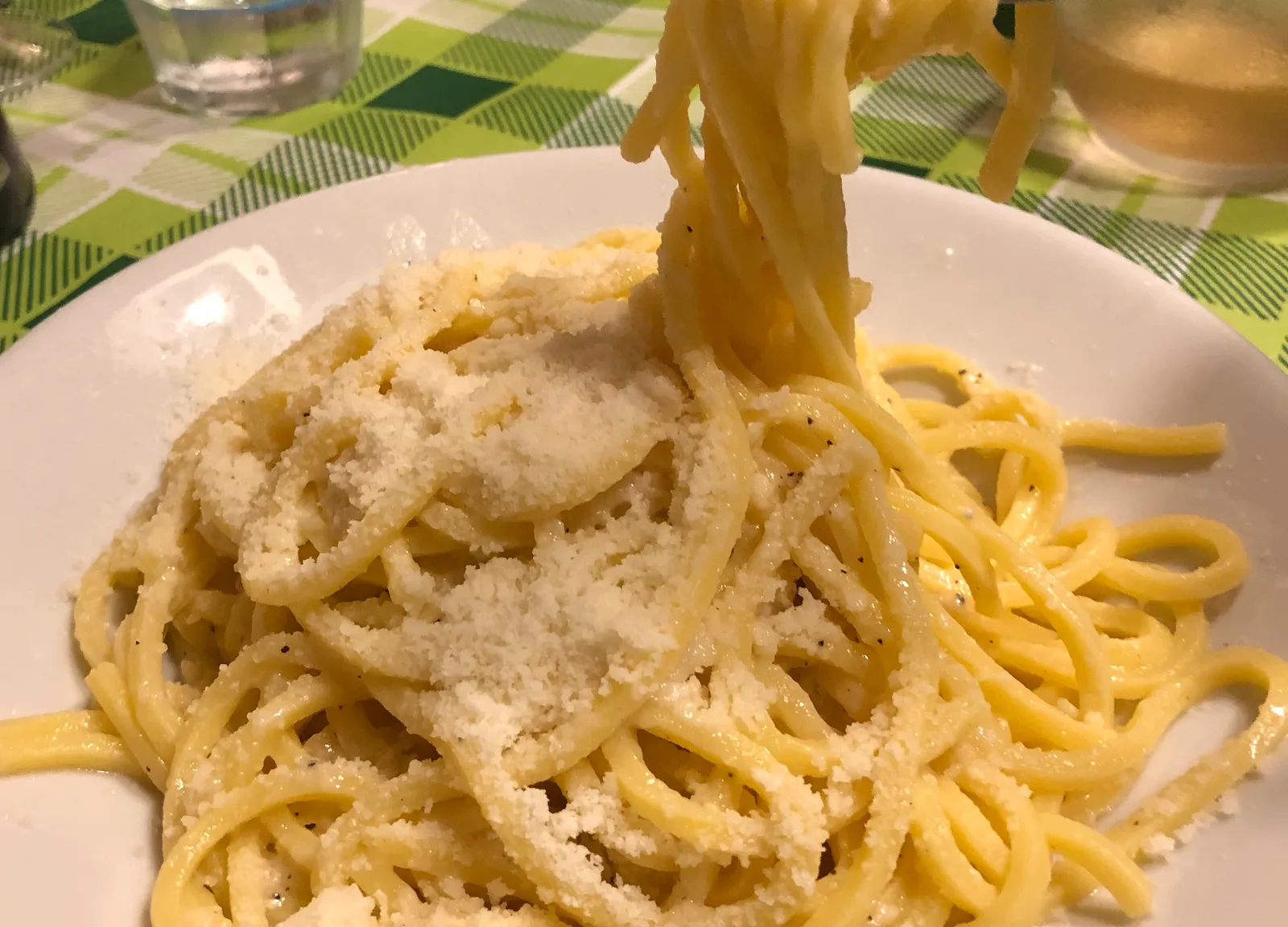
Foto: Der Zahir / Wikimedia Commons (CC BY-SA 4.0)
In Rome you eat well almost everywhere, and superbly if you know where and when. The difference between a tourist's meal and a Roman's has nothing to do with price: it is the hour, the neighborhood, two ingredients measured by heart instead of ten.
This is the Roman table as lived by citizens, not by tourists: the real hours for meals, the markets where the shopping is a ritual, the dishes born from humble scraps made noble, and the coffee drunk standing at the counter, in a few sips.
RHYTHMS · THE RIGHT HOUR
The real hours for meals.
In Rome lunch arrives around 1pm, rarely earlier: that is when the kitchens of the real trattorie fire up and the tables fill with locals. Dinner slides later, after 8pm, often closer to 8:30. Walk into a trattoria at 6 asking to eat and they will place you in half a second: at that hour, if anything, you have an aperitivo.
The right place often has no glowing sign and no starched tablecloths. It is Bar San Calisto in Trastevere, a room of formica and little cups, or the back-alley trattoria with a handwritten list. Look for where Romans eat, not where someone calls you in from the street: menus translated into four languages and a waiter waving you to a seat are, as a rule, a sign to walk on.
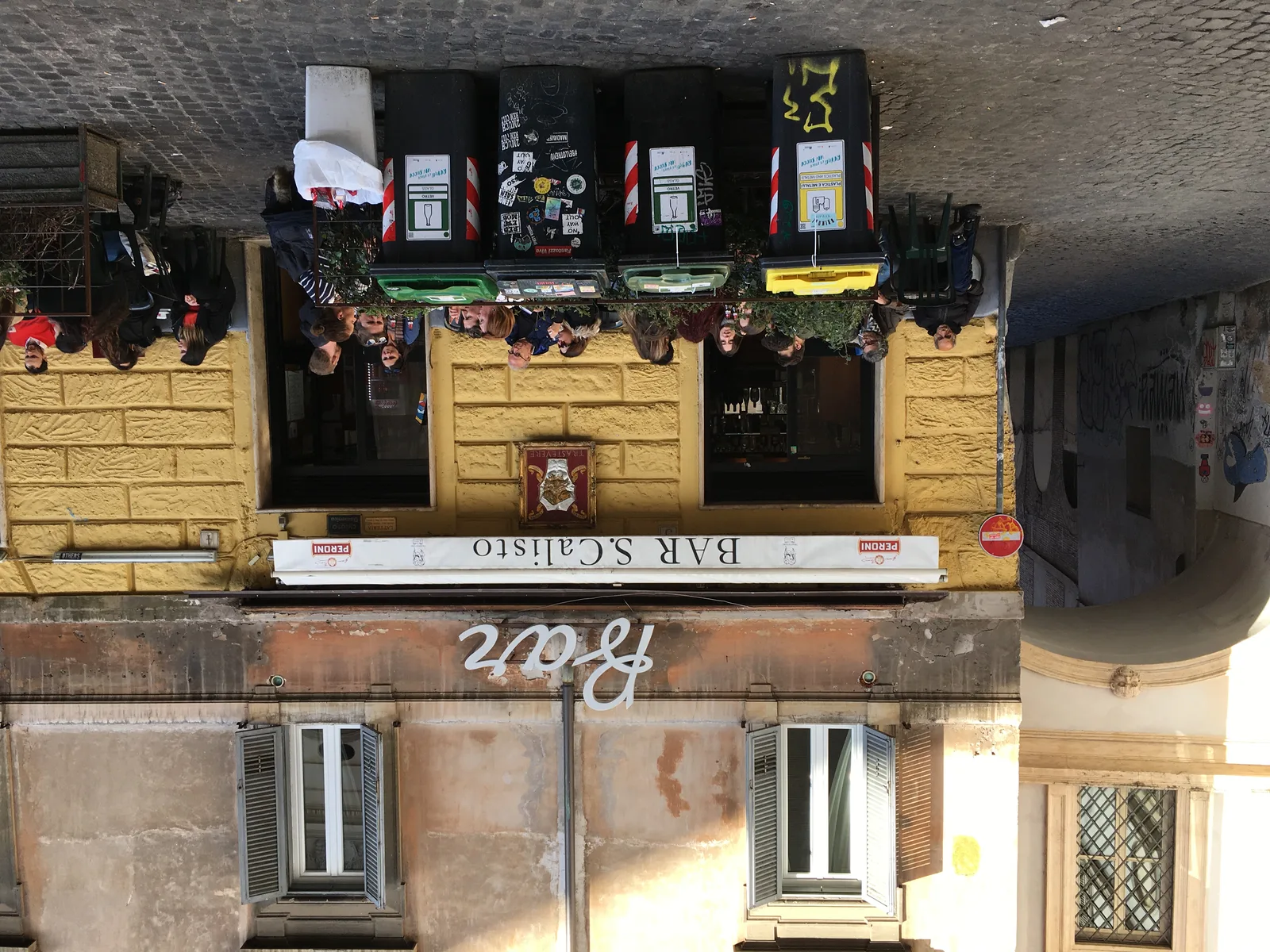
Foto: Daderot / Wikimedia Commons (CC0)
MARKETS · NEIGHBOURHOOD
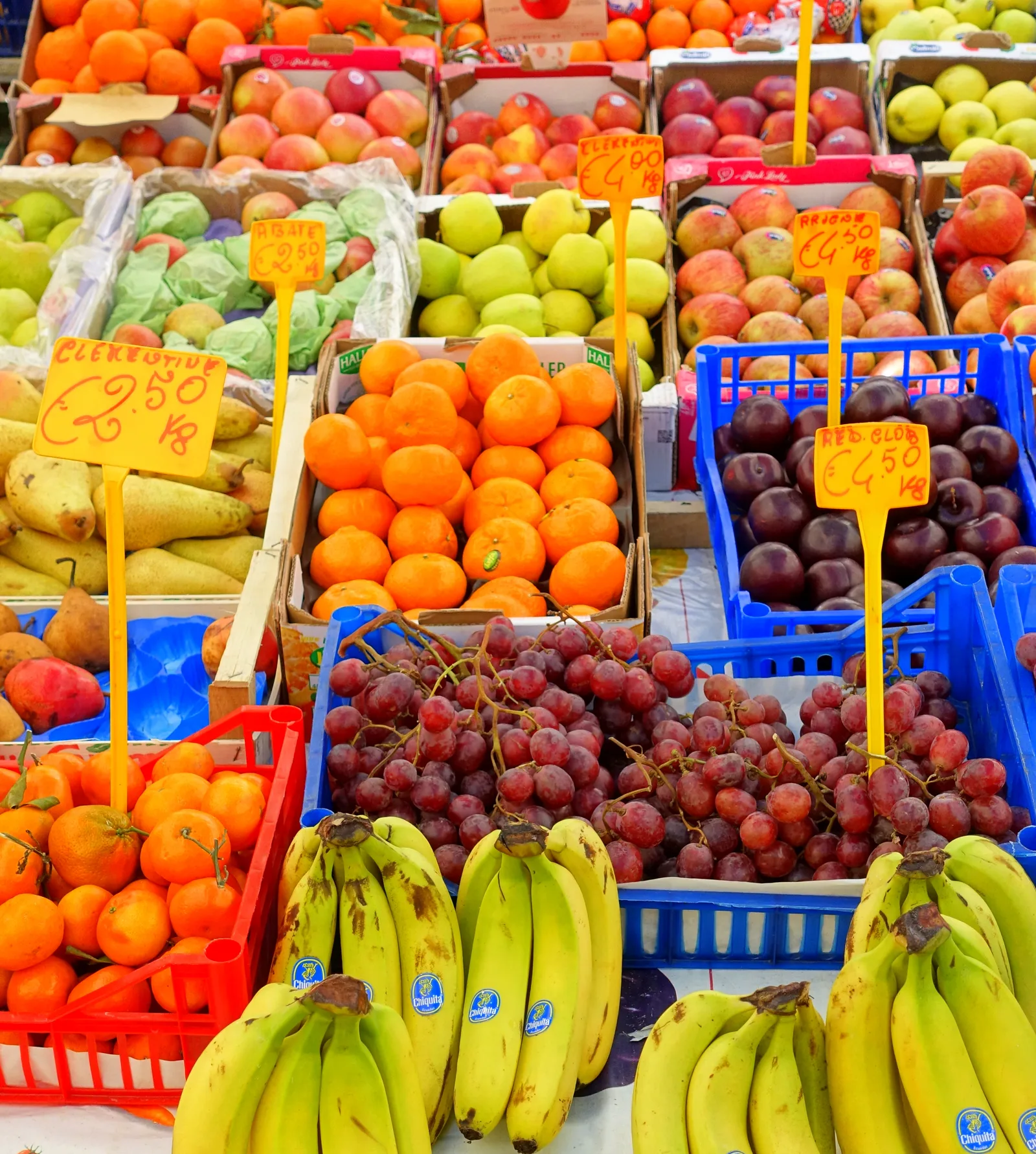
The markets, where the city does its shopping.
To understand how Romans eat, start with where they buy. The Testaccio market, covered, opens Monday to Saturday from 7:00 to 15:30: go early, between 8 and 10, when the stalls are brimming and the queue at the fishmonger is all locals. The Trionfale, over towards Prati, is the largest neighborhood market in the city, hundreds of stalls under a single roof.
And then there is Campo de' Fiori, out in the square every morning Monday to Saturday: a market since 1869, today more scenic than everyday, but still a good place for Roman artichokes in season. Here you learn the unwritten rules: the season decides the menu, and the greengrocer knows what you need that vegetable for.
PASTAS · THE FOUR CLASSICS
Four pastas, few ingredients.
Roman pasta is a family built on a handful of elements. The gricia is the base: guanciale (cured pork jowl), pecorino romano and pepper, no tomato. Add tomato and you get the amatriciana, from Amatrice, in the province of Rieti, and carried to Rome by the people of Amatrice. Take the guanciale out of the gricia and you are left with cacio e pepe: only pecorino, pepper and pasta water, whipped into a cream.
The quartet closes with the carbonara, egg, guanciale, pecorino and pepper, its origins uncertain and never fully settled. One thing unites all four: no cream, no pancetta, no shortcuts. The skill is in measuring two or three things, not in adding a fifth.
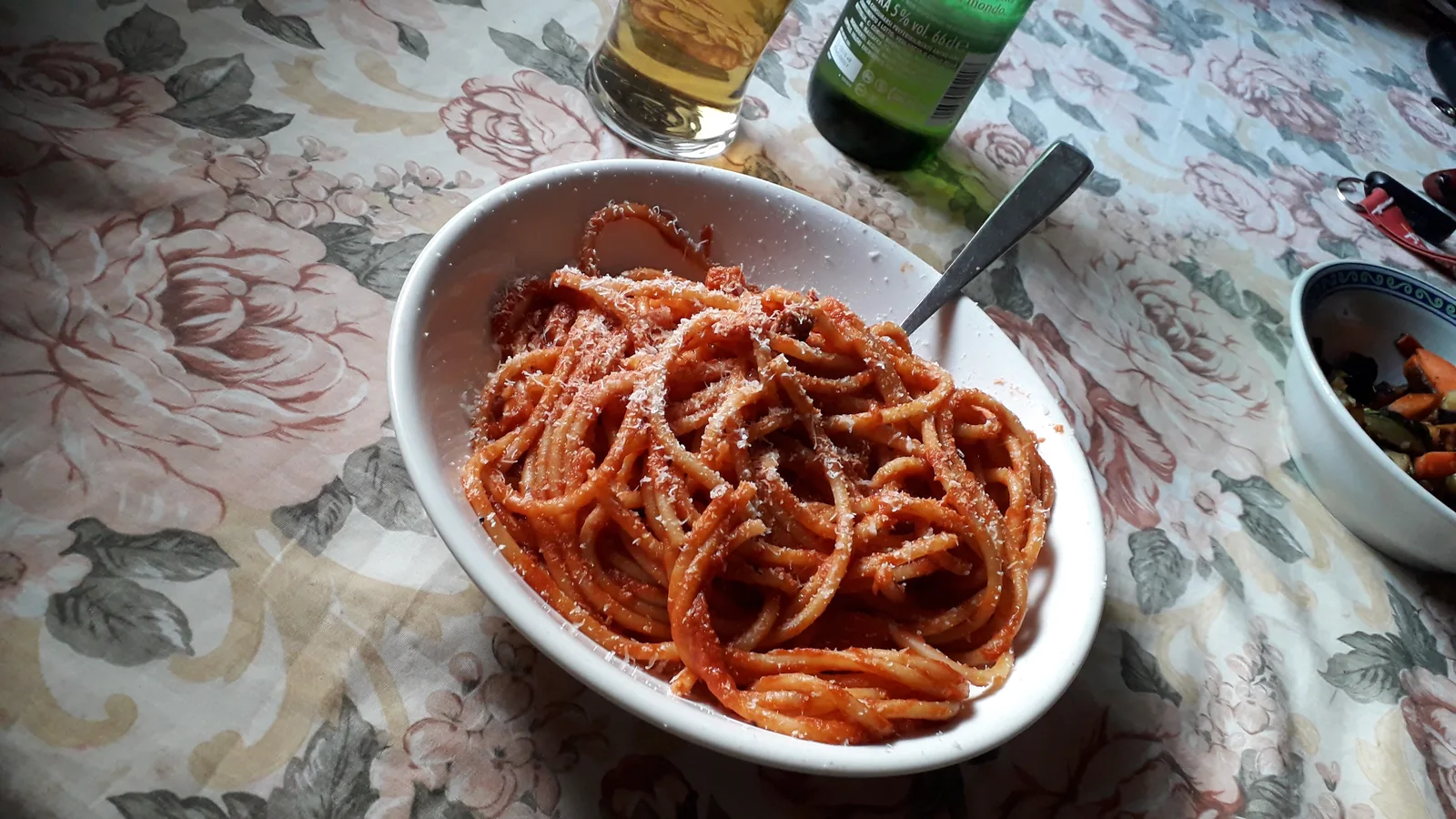
Foto: Popo le Chien / Wikimedia Commons (CC0)
QUINTO QUARTO · TESTACCIO
The quinto quarto, the cooking of necessity.
The quinto quarto is the offal and the humble cuts, what was left of the animal once the prized parts had already been sold. It was the food of the workers at the Testaccio slaughterhouse, built between 1888 and 1891, who topped up their wages by taking the butchery scraps home. From that necessity an entire cuisine was born.
The signature dish is coda alla vaccinara, oxtail slow-stewed with celery and tomato. It was born in the Regola district, home of the vaccinari, the men who worked the butchery, and spread with the slaughterhouse in the late nineteenth century. Alongside it sit trippa (tripe) and coratella: ordering them, today, is the most direct way to eat working-class Rome.
COFFEE · AT THE COUNTER
Coffee is taken at the counter.
In Rome coffee is a quick gesture. You pay at the till, step up to the counter, drink it standing in a few sips and move on. An espresso at the counter costs around one euro, among the lowest prices in Italy: you notice the ritual the day it feels normal to you too.
At a table, though, the price rises: service is a separate item, displayed by law next to the price list. It is not a rip-off, it is the deal. If you are in a hurry, go to the counter; if you want to sit and watch the square, you pay for the seat. One note the guides rarely write down: Romans have their cappuccino at breakfast, not after lunch.
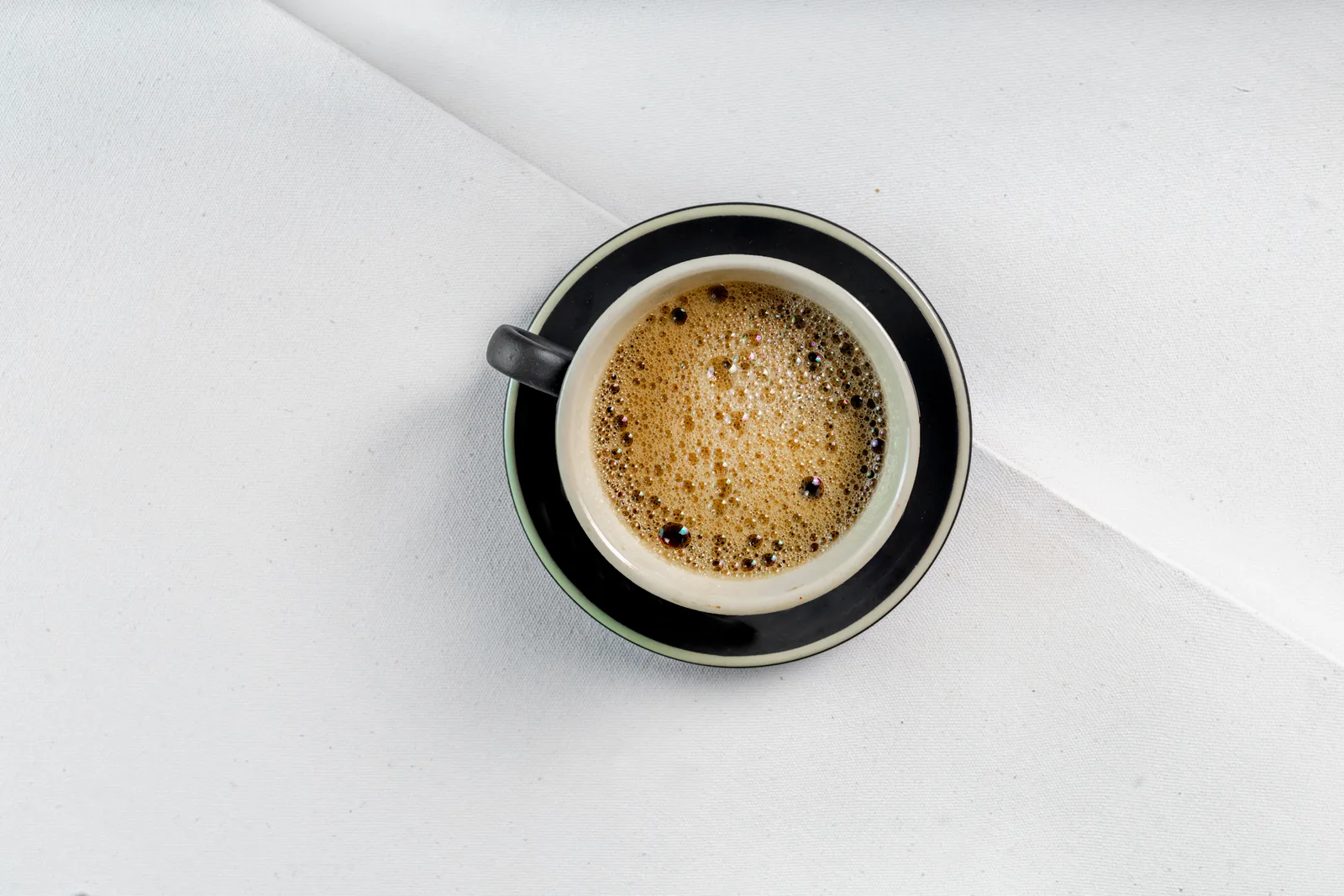
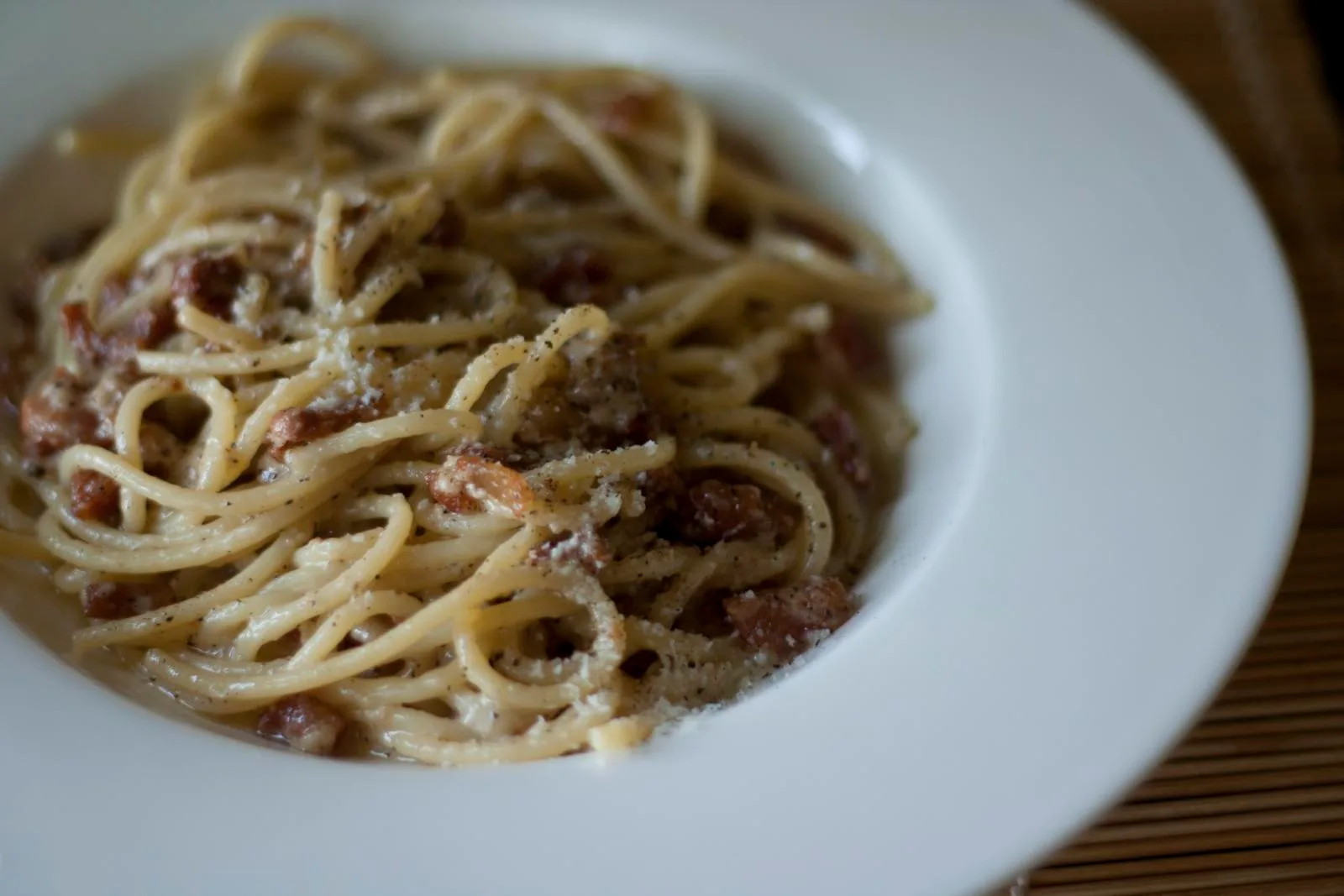
Foto: Luca Nebuloni / Wikimedia Commons (CC BY 2.0)
INSIDER · THE MISTAKES
Where tourists go wrong.
The most common slips are of timing and of place. Dining at 6, sitting down where a host calls you in from the door, ordering the dish with the laminated photo: all ways to end up where Romans do not go. The gricia, the simplest of the pastas, is a good test: if it is done well, the kitchen is serious.
Trust the season and the handwritten sheet. Walk two streets away from the attractions and the prices drop while the quality rises. Drink your coffee at the counter, order the house wine by the carafe, have a plate of quinto quarto at least once. Eating in Rome like a Roman does not cost more: it only costs a little attention to when and where.
FREQUENTLY ASKED QUESTIONS
Eating in Rome, in brief.
What time do Romans eat?
Lunch around 1pm, rarely earlier: the kitchens of the real trattorie open around that time. Dinner after 8pm, often closer to 8:30. Anyone sitting down at 6 or 7 reads instantly as a tourist: at that hour Romans have an aperitivo at most.
Which Roman dishes should you try?
The four classic pastas: cacio e pepe (pecorino romano, pepper, pasta water), gricia (guanciale and pecorino, no tomato), amatriciana (gricia with tomato) and carbonara (egg, guanciale, pecorino, pepper). From the quinto quarto come coda alla vaccinara and trippa.
What is the difference between gricia, amatriciana and cacio e pepe?
Gricia is guanciale, pecorino romano and pepper. Add tomato and it becomes amatriciana. Take out the guanciale and you are left with cacio e pepe, just a cream of pecorino and pepper. They are three related dishes, built on the same few ingredients.
What are the quinto quarto and coda alla vaccinara?
The quinto quarto is the offal and humble cuts left over once the prized parts had been sold, the food of the workers at the Testaccio slaughterhouse. Coda alla vaccinara, oxtail stewed with celery and tomato, was born in the Regola district among the vaccinari and spread with the slaughterhouse in the late nineteenth century.
Which neighborhood markets in Rome are worth visiting?
The Testaccio market, covered, open Monday to Saturday from 7:00 to 15:30; the Trionfale, the largest neighborhood market in the city; and Campo de' Fiori, outdoors in the square since 1869, running every morning Monday to Saturday. Go early, when the stalls are full.
How much does a coffee cost in Rome and how do you order it?
At the counter an espresso in Rome costs around one euro, among the lowest prices in Italy. You pay at the till, drink it standing at the counter in a few sips and leave. At a table the price rises: service is a separate item, displayed by law.
THE GRAND TOUR, FROM ROME
The table is the first way to live in Rome.
Rome is the first stop on the Civis Grand Tour. Eating it as a citizen, at the right hour and in the right neighborhood, is easier when you stay in the living fabric of the city. Discover the Rome properties and the Civis Passport, and choose where to set out from.
Foto: Luca Nebuloni / Wikimedia Commons (CC BY 2.0)